
Buying a Cottage Home in Kirkland, WA: What Buyers Need to Know
As a real estate agent, I spend a lot of time helping buyers figure out what kind of home makes the most sense for their lifestyle, not just which house to buy.
I'm honored that my buy-side production over the last 12 months was recently recognized in the top 6% of King County. Working with buyers across the Eastside has given me a firsthand look at the questions and trends that are coming up in today's market. Lately, one type of home seems to be generating more and more curiosity: cottages.
Especially in Kirkland, buyers are seeing more cottage-style homes and cottage communities pop up in places where they may not have expected them. I've had several conversations with buyers who are considering a cottage or simply asking, What exactly is a cottage home, and how is it different from buying a traditional house?
It's a good question. Cottage homes can offer an appealing middle ground between a condo and a traditional single-family home, but they're not the right fit for everyone, and there are a few things buyers should understand before making an offer.
So, if you're thinking about buying a cottage in Kirkland, or you've simply noticed them popping up around town, here's what you need to know.
What Is a Cottage Home?
In Kirkland, a cottage development is generally a collection of smaller, detached homes located on the same site. Rather than each home having a large private yard, cottages are often designed around shared open spaces such as courtyards, gardens, or gathering areas. The City of Kirkland's cottage housing guidelines provide more detail on how these communities are designed and regulated.
The City of Kirkland considers cottage housing a form of “middle housing”. This is housing that falls somewhere between a traditional single-family home and a larger apartment or condominium building. The goal is to create more housing choices while maintaining a residential scale that fits into existing neighborhoods.
That doesn't necessarily mean a cottage is tiny. Kirkland's current cottage development standards allow cottages of up to 1,700 square feet, with additional space potentially allowed for an attached garage. We’re often seeing these with a 1 car garage, and additional uncovered parking.
So, think less storybook cabin in the woods and more a thoughtfully designed, smaller-scale house.
How Is a Cottage Different From a Traditional House?
The biggest difference is usually the size of the home and how the property is designed.
A traditional single-family home typically sits on its own lot with a private yard and more separation from neighboring homes. Cottage homes are generally smaller and clustered together, often with shared outdoor spaces and pedestrian pathways connecting the homes.
That can mean:
Less interior space to furnish and maintain
Smaller private outdoor areas
More efficient layouts
Neighbors in closer proximity
Potentially shared spaces or amenities
Less of the traditional "big house, big yard" lifestyle
For some buyers, those are compromises. For others, they're exactly the point.
Is a Cottage Home the Same Thing as a Condo or Townhome?
Not necessarily. And this is an important distinction for buyers.
A cottage home is typically detached, meaning you don't share walls with your neighbors the way you would in a townhome or many condominium buildings. That can give you more of the privacy and independence associated with a traditional house.
However, cottage communities can still have shared property, common spaces, homeowners associations, or other ownership structures that buyers should understand before making an offer.
The details can vary significantly from one development to another. That's why it's important to look beyond the word cottage in the listing and understand exactly what you're buying - including the land, common areas, HOA responsibilities, and monthly dues, if applicable.
Why Are Cottage Homes Popping Up Everywhere in Kirkland?
There's a pretty straightforward answer: Kirkland needs more housing, and state and local housing policies have made it easier to build a wider variety of homes in residential neighborhoods.
Cottage housing has been part of Kirkland's approach to adding housing choices for years, but recent changes to state and local regulations have accelerated the broader conversation around “middle housing.” In 2025, Kirkland adopted updated development standards to comply with Washington State's middle housing requirements, allowing more housing types and greater density in areas that historically allowed primarily single-family homes.
The idea is to create housing that can fit more naturally into existing neighborhoods than a large apartment building while giving buyers alternatives to the traditional single-family home.
And from a buyer's perspective, that matters. In a market like Kirkland, where the price of a newly built single-family home can be out of reach for many buyers, a smaller home can offer a more attainable path to homeownership.
Why Might Someone Choose to Buy a Cottage in Kirkland?
Cottage homes can appeal to a surprisingly wide range of buyers.
First-Time Buyers Who Want a House-Like Feel
For buyers who don't want to live in a large condo building but aren't ready for the cost or maintenance of a traditional single-family home, a cottage can offer a middle ground.
You may get your own front door, outdoor space, and detached home without taking on the square footage, and potentially the price, of a larger house.
Downsizers Who Don't Want to Leave the Neighborhood
A cottage can also be appealing to homeowners who want to stay in Kirkland but no longer need a large home and yard.
Downsizing doesn't have to mean moving into a high-rise condo. A smaller detached home can offer a simpler lifestyle while still feeling residential and connected to a neighborhood.
Buyers Who Value Location Over Square Footage
This might be the biggest one.
Sometimes the choice isn't between a 2,500-square-foot house and a 1,200-square-foot cottage in the same neighborhood. It's between a smaller home in Kirkland and a larger home much farther from the places you want to be.
For buyers who prioritize proximity to restaurants, parks, employers, or family, less square footage can be a worthwhile trade-off for a better location.
What Should You Know Before Buying a Cottage Home?
Cottage living can be a fantastic fit, but buyers should go in with their eyes open. Here are a few things I recommend looking at closely.
1. Understand What You Actually Own
Ownership structures can vary. Before buying, find out whether you're purchasing the home and the land beneath it, whether there are shared common areas, and what responsibilities come with the property.
Don't assume that because a home is detached, it functions exactly like a traditional single-family property.
2. Review the HOA Documents and Monthly Costs
If the cottage community has an HOA, take the time to understand what your dues cover and what rules apply.
Questions to ask include:
What does the HOA maintain?
Are there restrictions on exterior changes?
Who is responsible for landscaping?
Are there rental restrictions?
Are there upcoming assessments or major projects planned?
A lower-maintenance lifestyle can be a major perk, but it's important to understand what you're paying for.
3. Think Honestly About Space
A well-designed 1,200-square-foot home can live beautifully. But smaller is still smaller.
Think about how you actually live. Do you work from home? Have frequent overnight guests? Need room for hobbies or outdoor gear? Have a growing family?
The best cottage homes make efficient use of space, but no floor plan can magically eliminate the need for storage. (If only.)
4. Pay Attention to Privacy and Outdoor Space
Cottage communities are often intentionally designed to create a sense of connection between neighbors. That's great if you enjoy community, but buyers should pay attention to how close homes are to one another and how private the outdoor spaces feel.
Visit the property at different times of day if possible and spend some time walking through the community rather than just touring the inside of the home.
5. Consider Resale Value and the Buyer Pool
Cottage homes are still a relatively unique housing type, which can be both a benefit and something to consider.
The right buyer may absolutely love the concept. But because cottages don't appeal to everyone, it's worth thinking about who might want the home when it's time to sell.
Location, layout, parking, HOA costs, and the overall quality of the community will all play a role in future resale appeal, just as they do with any other type of home.
Are Cottage Homes More Affordable Than Regular Houses in Kirkland?
They can be, but "more affordable" doesn't necessarily mean inexpensive.
Because cottages are generally smaller than traditional single-family homes, they can offer a lower entry point into desirable neighborhoods. The City of Kirkland specifically identifies cottage housing as a way to provide smaller and often more affordable housing choices.
That said, Kirkland real estate is still Kirkland real estate.
A beautifully designed new cottage in a highly desirable neighborhood may still come with a significant price tag. Buyers should think about the total cost of ownership, including the purchase price, HOA dues, property taxes, insurance, and maintenance.
The real value proposition is often not simply "cheap housing." It's getting the lifestyle and location you want with less space, and potentially less maintenance, than a traditional house.
Are Cottage Homes and Backyard Cottages the Same Thing?
No. This is another common source of confusion.
A cottage home in a cottage development is a primary residence that may be independently bought and sold.
A backyard cottage, more formally known as a detached accessory dwelling unit (DADU), is a secondary home located on the same property as a primary residence. In Kirkland, ADUs can provide flexible space for family members, guests, or renters, but they are a different type of housing from a cottage development.
The terminology can get confusing quickly, so if you're looking at a property marketed as a cottage, make sure you understand which type you're looking at.
Is Buying a Cottage in Kirkland Right for You?
A cottage isn't the right answer for every buyer, but it might be for you.
If you're looking for a lower-maintenance alternative to a traditional house, want to stay in Kirkland without paying for more square footage than you need, or simply love the idea of a smaller home with a stronger sense of community, a cottage could be worth exploring.
As Kirkland continues to add more housing options, buyers will likely see more choices that don't fit neatly into the traditional categories of "house" or "condo." That's not necessarily a bad thing. More options mean more opportunities to find a home that actually fits your life.
The key is understanding what you're buying and how the property will support the way you want to live, not just choosing a home based on the label attached to it.
Frequently Asked Questions About Cottage Homes in Kirkland
Can you buy a cottage home in Kirkland?
Yes. Cottage homes can be developed as homes for ownership, and buyers can purchase cottage homes just as they would other residential properties. The specific ownership structure will depend on the individual development.
How big are cottage homes in Kirkland?
Sizes vary by development, but Kirkland's cottage development regulations currently allow individual cottages up to 1,700 square feet of gross floor area, with additional space potentially allowed for an attached garage. These are often 1 car garages.
Do cottage homes have HOAs?
Some cottage communities may have homeowners associations or shared maintenance arrangements, but this varies by development. Buyers should review the property's specific HOA and governing documents before purchasing.
Are cottage homes good for downsizing?
They can be an excellent option for downsizers who want less space and maintenance while maintaining a detached-home lifestyle. The right fit depends on your space needs, budget, and desired location.
What's the difference between a cottage home and a backyard cottage?
A cottage home is generally a primary residence within a cottage development, while a backyard cottage is an accessory dwelling unit located on the same property as a primary home. They are governed and owned differently.
Thinking About Buying a Home in Kirkland?
Whether you're considering a cottage, condo, townhome, or traditional house, the best place to start is with a conversation about what you actually want from your next home.
Veronica Morss helps buyers navigate the Kirkland and Eastside real estate market and understand the trade-offs, and opportunities, behind every type of home.
Because finding the right home isn't always about finding the biggest one. Sometimes, it's about finding the one that fits.
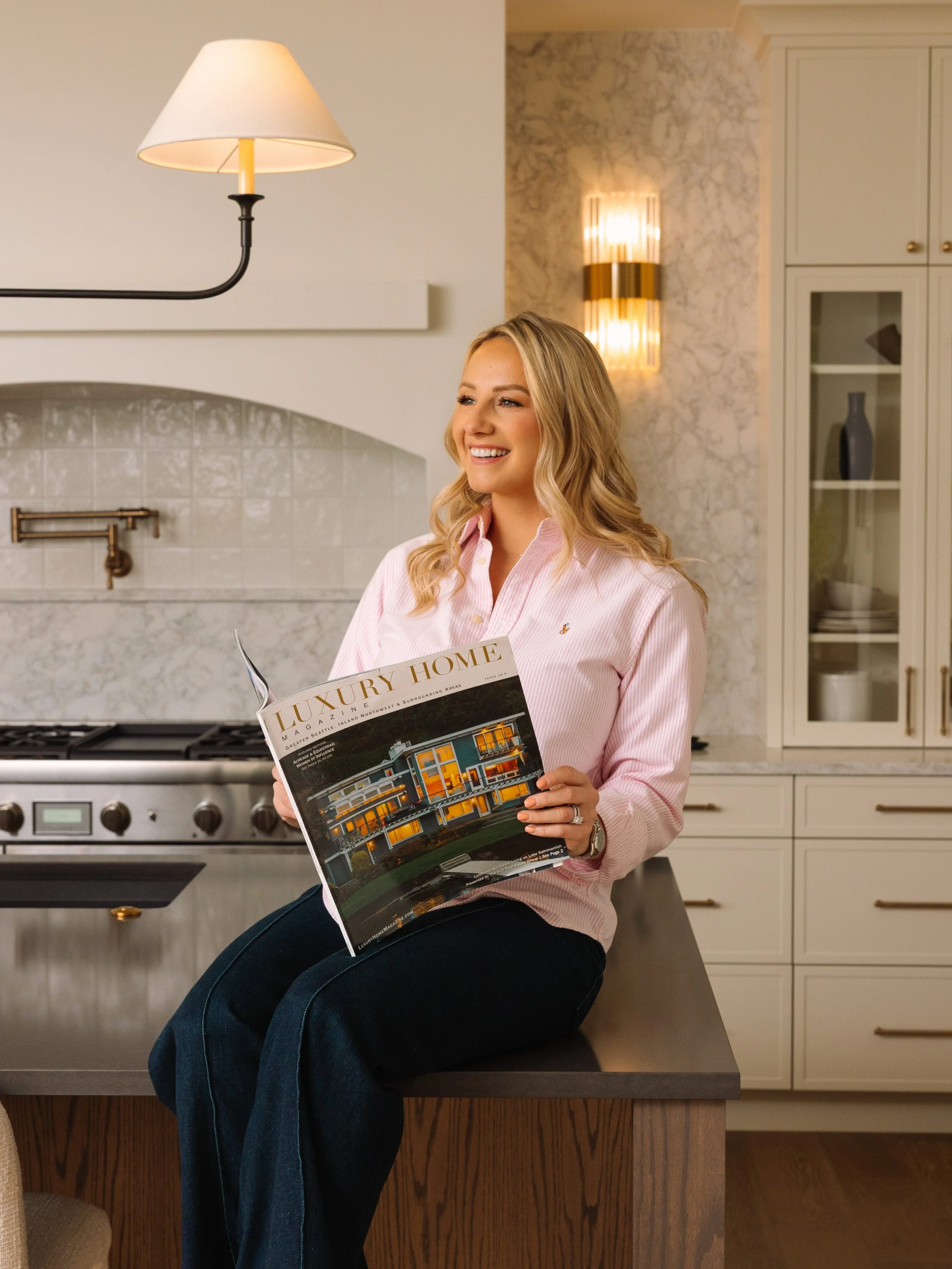
Meet Veronica
As a Washington native, Kirkland expert, and award-winning agent, Veronica Morss brings unmatched local insight and a client-first mindset to every real estate transaction. With a proven track record in multimillion-dollar negotiations, she blends deep neighborhood knowledge with the latest marketing strategies to help buyers, sellers, and investors succeed across the competitive Greater Seattle market. Supported by eXp Realty’s global reach, Veronica combines hyper-local expertise with world-class resources to deliver exceptional results, especially within the luxury segment. Her commitment to creative solutions, cutting edge strategy, and white glove service makes her a trusted advisor throughout every stage of the real estate journey.
Veronica Morss, Real Estate Broker
206-853-3491